
PABA, or para-aminobenzoic acid, is often used in supplements and products designed to help hair. Also known as vitamin B-5, PABA occurs naturally in foods such as liver, kidney, brewer’s yeast, eggs, molasses, and whole grains. Natural bacteria flora in the intestines also synthesize PABA. Some health professionals do not consider PABA to be vitamin, but rather a B-complex factor, because PABA helps create folic acid in the body.
PABA is a common ingredient in topically-applied sun screens. Taking PABA supplements orally does not have any sunscreen effects.
Red blood cell formation and the body’s manufacture of folic acid are partially thanks to PABA. PABA improves the protein use in the body and also assists with the breakdown of protein. Proper functioning of these processes is important for healthy hair.
A deficiency in PABA can result in tiredness, irritability, patchy areas on the skin, weeping eczema and more.
Known as the “anti-grey hair vitamin,” research shows that PABA supplementation can improve hair health.
A study on animals showed that insufficient dietary PABA resulted in grey hair. Their hair reverted to its original color when sufficient PABA was given. Grey-haired adults in another study experienced a 70% return to their original hair color when taking large doses of PABA each day. This was a controlled study under medical supervision, because excessive doses of PABA can have side-effects.
Typically, hair color can be restored with a B vitamin-rich diet. Even if color is not restored, the hair usually will have improved quality and growth strength.
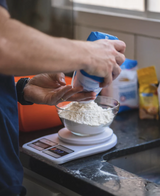
PABA is best taken with other vitamins, including the B group vitamins and folic acid. Dermatologist Larry Shapiro, a hair transplant specialist in South Florida, includes 30 mg of PABA, 6 mcg of vitamin B12 and 400 mcg of folic acid in each serving of Dr. Shapiro’s Help Hair Whey Protein Shake Formula, plus other hair-helping nutrients. “I designed my shake specifically to target the hair’s nutritional needs,” said Dr. Shapiro. “Today’s diet often does not have all the nutrients needed for healthy hair.”
Sources: Hair Science Institute, Wikipedia
Minoxidil 2% solution has been available since the late 1980s as a treatment for hair loss in both men and women. It is available over-the-counter (without prescription) as either a brand-name product (Rogaine ®) or in less expensive generic formulations. Minoxidil is applied topically-that is, applied directly to scalp skin where cessation of hair loss and stimulation of new hair growth is desired.